ENJOY FAST, FREE SHIPPING TO ALL PAKISTAN

+92-334-9109213
Book an Appointment

For consultation with Dr Sofia
Peshawar General Hospital, Phase 5, Hayatabad, Peshawar

Chemical Peels: Enhancing Skin Beauty through Professional Techniques
For many years, chemical peels have remained a sought-after cosmetic procedure with compelling benefits. These professional treatments effectively address various skin imperfections such as fine lines, wrinkles, acne, and pigmentation concerns. As a result, the skin becomes noticeably brighter, smoother, and rejuvenated.
Beyond targeting specific skin issues, chemical peels also contribute significantly to the overall health and beauty of the skin. They play a vital role in maintaining and enhancing the skin's overall well-being and appearance.
Chemical peels are available in various strengths and formulations, and the most suitable type for you depends on your skin type and specific concerns. At Academic Alliance in Dermatology, we offer three main types of professional chemical peels:
Vitalize Peel® If you desire a more youthful and radiant appearance, the Vitalize Peel from SkinMedica is an excellent option. This professional-grade chemical peel effectively reduces the appearance of fine lines, wrinkles, uneven pigmentation, sun damage, and melasma. The peel combines medical peeling agents like salicylic acid, resorcinol, lactic acid, and retinol to refresh and rejuvenate your skin. You may notice visible improvements after a single treatment, although a series of peels is recommended for optimal results.
Rejuvenize Peel® Unleash your skin's true potential with the Rejuvenize Peel, a powerful solution for fine lines, wrinkles, acne, acne scarring, pigmentation irregularities, and sun damage. This professional-grade chemical peel delivers visible results after just one session, but the true transformation occurs when you undergo a series of three to six treatments.
TCA Peels Trichloroacetic acid (TCA) peels are highly sought-after medical-grade chemical peels available in different concentrations. This allows customization of the treatment to address your specific needs. TCA peels effectively target acne scars, precancerous growths, wrinkles, blemishes, and photoaging. These peels penetrate the top layer of the skin as well as a portion of the layer beneath, resulting in smoother, brighter, and more youthful-looking skin. It's important to choose a TCA peel appropriate for your skin type and concerns to minimize the risk of side effects. Our licensed professionals will guide you in selecting the best peel for your aesthetic goals.
Remember, the choice of peel should be made in consultation with our experienced professionals to ensure the treatment aligns with your unique needs and minimizes potential risks.
Read More >>
Enjoying a Summer Safely:-The Significance of UV Awareness Month and Skin Protection Tips
With the arrival of summer comes the promise of sun-filled beach outings and outdoor gatherings. However, it is crucial to keep in mind the significance of safeguarding our skin during this time. As we embrace the sunny days, it is worth noting that July is also recognized as UV Awareness Month, serving as a timely reminder to prioritize skin protection and remain mindful of sun exposure.
The importance of UV Awareness Month
While basking in the warmth of sunlight is enjoyable, it is essential to bear in mind the potential harm that excessive sun exposure can cause. The sun emits Ultraviolet (UV) radiation, which, if not properly managed, can lead to the following consequences:
-
Skin Damage: Sunburn, a common result of excessive UV exposure, is characterized by redness and can contribute to premature aging, manifesting as wrinkles and age spots.
-
Eye Damage: UV radiation can also harm our eyes. Prolonged exposure may increase the risk of eye conditions such as cataracts and macular degeneration.
-
Immune System Suppression: UV radiation has the potential to disrupt the normal functioning of our immune system, leaving us more vulnerable to infections and diseases.
-
Skin Cancer: The most severe consequence of prolonged sun exposure is the development of skin cancer, including the deadliest form known as melanoma. This type of cancer often arises from years of accumulated UV exposure.
It is crucial to take appropriate precautions and protect ourselves from excessive UV radiation to minimize these potential risks to our skin, eyes, immune system, and overall health.
Read More >>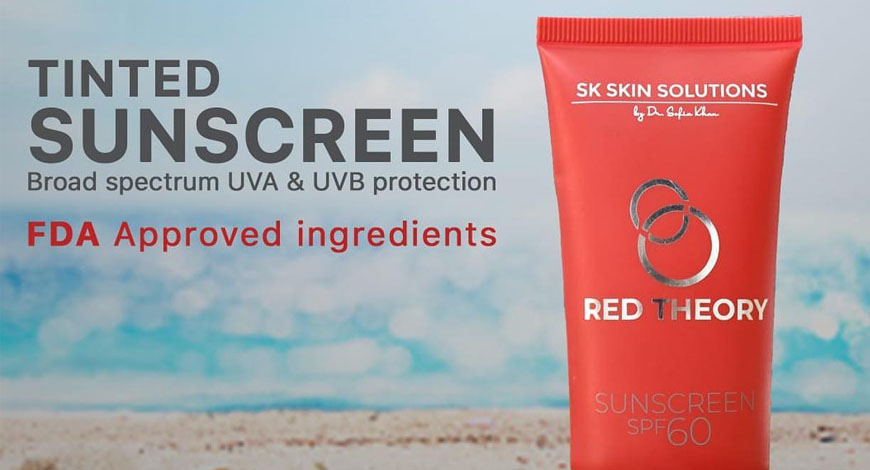
Is it necessary to use sunscreen indoors too?
Sunscreen provides protection against both ultraviolet (UV) rays and blue light, which is a type of invisible ultraviolet light emitted by electronic devices such as laptops and mobile phones. Even when there is no direct sunlight, UV rays are still present in the form of a spectrum of light that can cause premature aging. These harmful rays can penetrate through clouds and window panes. Additionally, the high-energy visible light (HEV) or blue light emitted by phones and laptops can also contribute to premature aging, resulting in visible effects like wrinkles, photoaging, fine lines, and dark spots.
UVA and UVB rays, as well as blue light, have the ability to penetrate the outer layers of the skin. With prolonged exposure, these rays can reach the dermis, which is the middle layer of the skin, leading to the destruction of skin cells and causing damage to the overall appearance of the skin. Specifically, the ultraviolet rays can harm the elastin fibers in the skin, resulting in sagging and stretching of the skin, which reduces its elasticity and ability to recover from stretching. The damaged skin also takes longer to heal from injuries like bruises or tears due to the impact on the skin cells. While the visible effects of sun damage may not be immediate when you are young, they become apparent later in life. Both sun exposure and exposure to electronic devices accelerate the aging process and contribute to photodamage.
Considerations to remember when using sunscreen
Experts recommend applying sunscreen around 20-30 minutes prior to going outside or being exposed to the sun. This allows sufficient time for the skin to absorb the sunscreen and reduces the chances of sweating it off immediately. It is important to reapply sunscreen during the day, but it's essential not to overdo it. Ensure that you apply sunscreen to all exposed areas of the skin, including the ears, back, shoulders, arms, and legs. It is recommended to reapply sunscreen at least every 2-4 hours, or more frequently if you are sweating, engaging in physical activity, or swimming.
Total: (3) Results
Dr. Sofia Khan and her team of experts are committed to enhancing your appearance and boosting your confidence by employing innovative aesthetic methods, customized skincare procedures, and minimally invasive cosmetic surgeries for both your face and body.